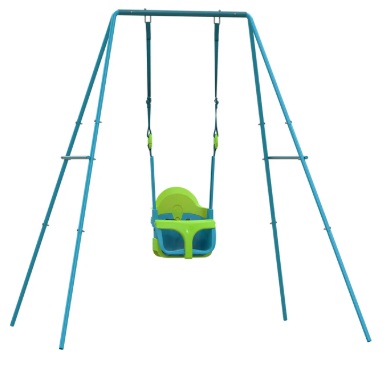
Supporting your child’s growth and developmental milestones is one of the most important roles as a parent or caregiver. While there are many ways to nurture their development, playtime is among the most effective and enjoyable. The right toys, such as a 2 in 1 swing or a wooden activity cube, not only bring joy but also play a critical role in helping children meet developmental milestones. This guide will explore how toys support growth across different age groups and provide actionable tips to choose the best options for your child’s needs.

Understanding Developmental Milestones
Developmental milestones refer to the physical, cognitive, emotional, and social skills that children typically achieve at certain ages. While every child is unique and may progress at their own pace, milestones offer a roadmap to understanding key stages of growth.
- Motor Skills
- Gross motor skills involve large muscle movements such as crawling, walking, or swinging.
- Fine motor skills involve smaller actions like gripping, drawing, or manipulating objects.
- Cognitive Development
- This relates to problem-solving, understanding concepts, and developing memory.
- Social-Emotional Growth
- Learning to interact with others, regulate emotions, and form relationships falls under this category.
- Language and Communication
- Includes verbal and non-verbal communication, comprehension, and speech development.
Engaging toys that target these areas can significantly enhance a child’s overall growth. The challenge is identifying toys that suit their current stage while encouraging progress toward the next.
Choosing Toys for Infants (0–12 Months)
In the first year, babies experience rapid growth and begin developing their senses and motor skills. Toys should focus on sensory exploration and fostering basic motor abilities.
- Sensory Toys
Bright colours, soft textures, and contrasting patterns captivate an infant’s attention and promote sensory development. Examples include rattles, crinkly fabric books, and teething rings. - 2 in 1 Swing
A 2 in 1 swing, which transitions from a baby swing to a toddler swing, provides comfort while stimulating spatial awareness and balance. Gentle swinging motions soothe babies and contribute to early vestibular system development. - Soft Activity Mats and Mobiles
These stimulate vision, encourage reaching, and promote tummy time, which is essential for developing core strength and motor skills.
Toys for Toddlers (1–3 Years)
Toddlers are full of energy and curiosity. They’re eager to explore, experiment, and interact with their environment. Toys at this stage should encourage movement, problem-solving, and creativity.
- Wooden Activity Cube
A wooden activity cube is a standout toy for toddlers. With features such as spinning gears, sliding beads, and shape sorters, it promotes fine motor skills, hand-eye coordination, and cognitive development. Its multi-functional design offers endless play possibilities while teaching basic concepts like colours, numbers, and shapes. - Push-and-Pull Toys
These help toddlers develop gross motor skills and coordination as they practice walking and running. - Stacking and Sorting Toys
Simple puzzles, nesting cups, and blocks encourage problem-solving and improve fine motor skills. - 2 in 1 Swing
The toddler mode of a 2 in 1 swing introduces active play. As they learn to pump their legs, toddlers build muscle strength and coordination while enjoying the sense of freedom that swinging brings.
Preschool Years (3–5 Years): Creativity and Social Skills
During the preschool years, children begin to express themselves creatively and interact more socially. Toys that promote imagination, group play, and hands-on learning are ideal for this stage.
- Pretend Play Sets
Role-playing toys, such as play kitchens, doctor kits, and costumes, foster creativity, social skills, and empathy. Children use these toys to act out scenarios, which helps them process emotions and experiences. - Wooden Activity Cube
As children grow, the wooden activity cube continues to provide developmental benefits. Preschoolers can use it to practise early math skills like counting beads or identifying patterns, which lays the foundation for numeracy. - Outdoor Toys
A 2 in 1 swing remains a valuable toy for preschoolers. Swinging helps develop balance and core strength, while outdoor play fosters physical fitness and social interaction. - Art Supplies
Crayons, paints, and clay encourage creativity and improve fine motor skills. - Board Games
Simple games that involve taking turns and following rules teach patience, cooperation, and problem-solving.
School-Age Children (6–8 Years): Advanced Skills and Independence
As children enter school, they refine their motor skills, expand their cognitive abilities, and develop independence. Toys for this age should offer challenges and opportunities for collaborative play.
- STEM Toys
Science kits, building sets, and engineering challenges encourage logical thinking and creativity. - Active Play Equipment
Outdoor play remains vital for school-aged children. A 2 in 1 swing, paired with other equipment like climbing frames or monkey bars, promotes physical activity and helps them develop confidence and resilience. - Wooden Activity Cube
Although activity cubes are often associated with younger children, older kids can use advanced features, such as solving simple mazes or creating patterns, to reinforce cognitive skills. - Sports Equipment
Bicycles, scooters, and ball games improve coordination and promote teamwork. - Puzzles and Strategy Games
Jigsaw puzzles, chess, and other strategy games develop problem-solving skills and concentration.
Why a Wooden Activity Cube Stands Out
A wooden activity cube is a timeless toy that grows with your child. It is highly versatile and supports multiple areas of development simultaneously:
- Fine Motor Skills: Sliding beads, turning knobs, and fitting shapes improve dexterity.
- Cognitive Skills: Activities like sorting and counting challenge children to think critically.
- Durability: Made from eco-friendly materials, wooden toys are safer and longer-lasting than plastic alternatives.
- Aesthetic Appeal: Wooden toys blend seamlessly with home décor, making them a favourite among parents.
The Multifunctionality of a 2 in 1 Swing
A 2 in 1 swing is another must-have toy for its adaptability and developmental benefits:
- Infants: Gentle swinging provides sensory stimulation and helps calm fussy babies.
- Toddlers: Swinging strengthens muscles and builds coordination.
- Preschoolers: Independent swinging promotes confidence and a sense of achievement.
This simple yet effective toy provides hours of outdoor fun while supporting physical and emotional well-being.
Tips for Selecting Developmentally Appropriate Toys
- Age Suitability
Choose toys designed for your child’s current developmental stage, ensuring they’re neither too simple nor too complex. - Open-Ended Play
Opt for toys like building blocks or a wooden activity cube that can be used in multiple ways to encourage creativity. - Quality Over Quantity
Invest in durable, non-toxic toys that can withstand years of play. - Encourage Social Interaction
Toys that promote sharing and teamwork, such as board games or outdoor play equipment, teach valuable life skills. - Balance Indoor and Outdoor Play
Include a mix of toys that encourage physical activity (e.g., a 2 in 1 swing) and those that nurture cognitive skills (e.g., puzzles or activity cubes).
Balancing Screen Time with Play
In today’s digital age, balancing screen time with traditional play is essential. Toys like the wooden activity cube and 2 in 1 swing offer screen-free engagement that promotes hands-on learning and active exploration. Encourage your child to spend time outdoors and engage in imaginative play to support holistic development.
Conclusion
Choosing toys that align with your child’s developmental milestones can have a profound impact on their growth. Whether it’s the sensory stimulation of a 2 in 1 swing or the cognitive challenges of a wooden activity cube, these carefully selected toys provide opportunities for learning, creativity, and fun. By understanding your child’s needs and interests, you can transform playtime into a cornerstone of meaningful development, laying the foundation for a lifetime of curiosity and achievement.