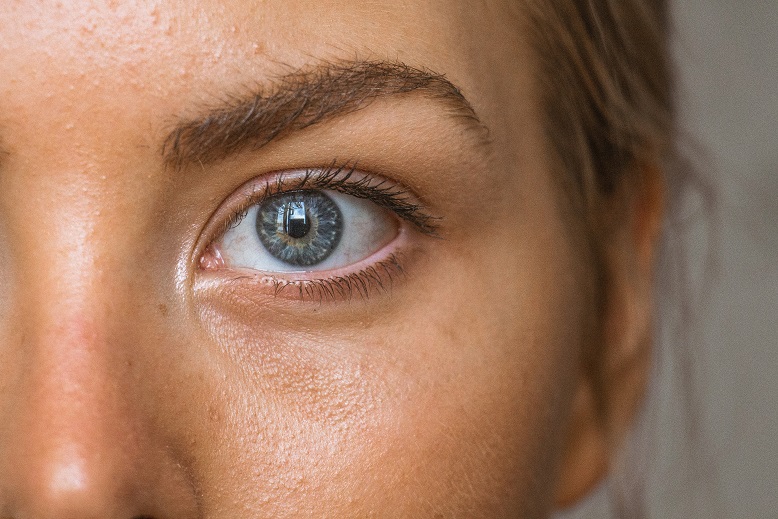
Caring for Your Eyes – Our eyes are not only the windows to the world but also a window into our genetic history. The colour of our eyes is determined by a complex interplay of genes, primarily OCA2 and HERC2, which influence the amount and distribution of melanin in the iris. More melanin leads to darker eyes, while less melanin creates lighter hues like blue and green. According to TheraTears when it comes to eye colour, brown eyes are the most common globally, evolving as a protective mechanism against intense sunlight. Conversely, lighter eyes are a more recent genetic adaptation.
Caring for Your Eyes

Eye Colour and Eye Health: More Than Just Aesthetics
While eye colour can be a captivating trait, it may also hint at certain health risks. For instance, lighter-coloured eyes offer less protection from harmful UV rays, making them more susceptible to sun damage and related conditions like cataracts. Recognising this risk underscores why wearing UV-protective sunglasses is crucial, regardless of eye colour. Similarly, eye colour variations such as heterochromia or conditions like albinism not only tell us more about genetics but also point to specific health considerations.
Everyday Habits for Optimal Eye Health
The modern lifestyle poses numerous challenges to eye health, especially with screen overexposure. Staring at screens for hours can lead to eye strain, dryness, and headaches—a condition known as digital eye strain or computer vision syndrome. To mitigate this, try following the 20-20-20 rule: every 20 minutes, look at something 20 feet away for 20 seconds. It’s a simple yet effective way to give your eyes a well-deserved break.
Protective habits extend beyond screen time. Ensure regular eye examinations, as they can detect more than just vision problems; early signs of glaucoma, macular degeneration, and even diabetes can often be identified during routine checks. Consuming a balanced diet rich in vitamins A, C, and E, omega-3 fatty acids, and antioxidants like lutein and zeaxanthin can help keep your eyes in top condition.
Don’t Overlook Dry Eyes
Dry eyes are another common issue, especially in environments with low humidity or during extended contact lens use. Staying hydrated, blinking more frequently (particularly when concentrating on screens), and using high-quality eye drops can alleviate symptoms. Be attentive to persistent dryness, as it could indicate underlying issues such as chronic dry eye disease or autoimmune conditions.

The Power of Prevention and Awareness
Whether you have striking green eyes or deep brown ones, your eyes are unique and deserve care. From protecting them against UV rays to scheduling regular check-ups, your proactive approach can make a huge difference. Remember, the eyes do more than see; they reflect our genetic story and serve as an indicator of overall health. In conclusion, caring for our eyes is about more than just improving vision; it’s about preserving a vital connection to the world around us and understanding our unique genetic makeup. By adopting preventive measures, protecting against everyday strains, and appreciating the nuances of eye colour and health risks, we can ensure our eyes stay healthy for years to come