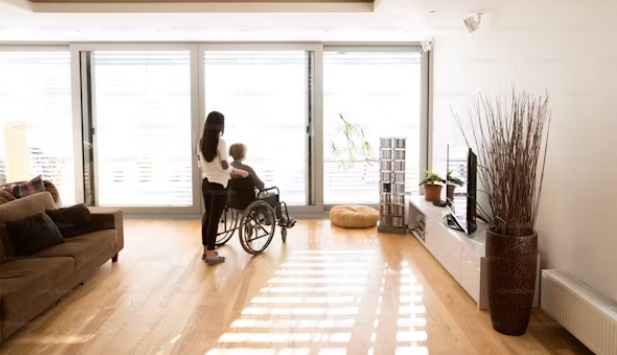
Creating an Accessible Home – Creating an Accessible Home – As we become more aware of the needs of individuals with mobility issues, making homes more accessible has become a priority. Whether you’re planning for ageing in place or accommodating a family member with a disability, there are practical changes you can make to ensure your home is welcoming and functional for everyone. Here’s a comprehensive guide to help you create a more accessible living space.
Creating an Accessible Home
1. Install Stair Lifts
For homes with more than one floor, stair lifts are an essential addition. These devices make it possible for individuals with mobility challenges to navigate between floors safely and independently. Modern stair lifts are designed to fit a variety of staircase shapes and sizes, and many models are stylish enough to blend seamlessly with your home decor. Buying stair lifts is actually easier than you might imagine, especially when you deal with a company that can take care of the fitting and installation for you too!
2. Modify Doorways and Hallways
Widening doorways and hallways can significantly improve accessibility. Standard doorways can be narrow for wheelchairs or walkers, so consider expanding them to at least 32 inches. Pocket doors or sliding doors can also save space and provide easier access.
3. Rethink Your Bathroom Layout
Bathrooms can be hazardous for those with mobility issues. To make them safer and more accessible:
- Install Grab Bars: Place grab bars near the toilet, shower, and bathtub to provide support.
- Opt for a Walk-In Shower or Bath: Walk-in showers and bathtubs eliminate the need to step over high edges, reducing the risk of falls.
- Adjustable Shower Heads: Handheld or adjustable shower heads can be beneficial for seated showering.
- Non-Slip Flooring: Ensure the bathroom floor has non-slip tiles to prevent accidents.
4. Adapt the Kitchen
The kitchen is the heart of the home, and accessibility here is crucial for independent living:
- Lower Countertops and Cabinets: Ensure countertops and cabinets are at a height accessible for someone in a wheelchair.
- Pull-Out Shelves and Drawers: These make it easier to reach items without excessive bending or stretching.
- Side-Opening Ovens and Dishwashers: Appliances that open from the side can be more accessible than those with drop-down doors.
5. Improve Lighting
Good lighting is essential for safety and ease of navigation:
- Increase Natural Light: Use larger windows and skylights where possible.
- Install Motion Sensor Lights: These can be particularly useful in hallways and staircases.
- Adjustable Lighting: Ensure that light switches are at an accessible height and consider using smart lighting systems that can be controlled remotely.
6. Flooring Considerations
Flooring can impact mobility significantly:
- Choose Hard Floors Over Carpets: Hard floors such as wood, vinyl, or tile are easier for wheelchairs to navigate.
- Low-Pile Carpets: If you prefer carpets, opt for low-pile options that reduce resistance for wheelchairs and minimise tripping hazards.
7. Accessible Furniture
Furniture should be functional and safe:
- Stable, Firm Seating: Choose chairs and sofas that are firm and have armrests to assist with standing up.
- Adjustable Beds: Electric adjustable beds can provide comfort and independence for individuals with limited mobility.
- Invest in Quality Sleep: Quality sleep is important for everyone, but for those with mobility problems perhaps even more so. Investing in a quality single mattress could make all the difference between mediocre sleep and waking up feeling fully rested. Companies such as Simba have such a wide range of bedding options that it is worth looking at what they do that could help you and your sleep quality.
8. Entryway Adjustments
The entrance to your home should be as accessible as possible:
- Ramps: If there are steps leading to your front door, consider installing a ramp. Ensure it has a gentle slope and is wide enough for a wheelchair.
- Lever-Style Door Handles: These are easier to operate than traditional round doorknobs, especially for those with limited hand strength.
9. Smart Home Technology
Incorporating smart home technology can greatly enhance accessibility:
- Voice-Controlled Devices: Use voice assistants like Amazon Alexa or Google Home to control lights, thermostats, and other smart devices.
- Automated Systems: Consider automated blinds, door openers, and security systems for added convenience and security.
Making your home more accessible doesn’t have to be overwhelming. By implementing these practical changes, you can create a living space that is safer, more comfortable, and inclusive for everyone. Whether it’s installing a stair lift, widening doorways, or incorporating smart technology, each adjustment brings you one step closer to an accessible home.